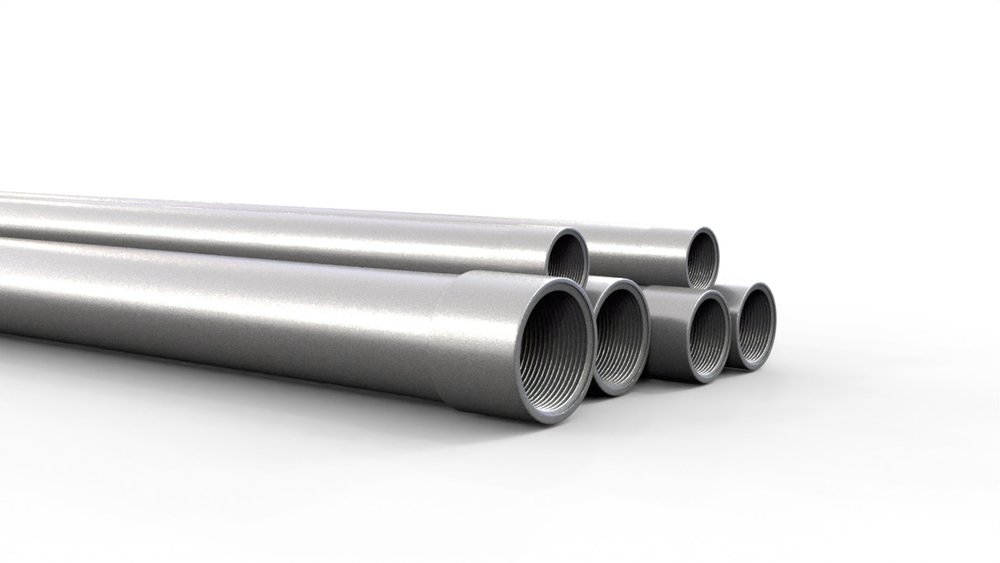
Top 10 Questions Electricians Have About Conduits and Fittings
Updated August 12 2025
~7 min read • ~1,100 words • Flesch 60
Why this guide exists
You’re knee-deep in a job and conduit questions keep slowing things down. You don’t need a fluffy essay about theory. You need a practical, contractor-focused roadmap that helps you pick the right parts fast, avoid re-work, and stay compliant. This guide does exactly that: no filler, just real-world advice from seasoned pros at Revco.
Key definitions / jobsite fundamentals
Conduit: A protective tube—metal or PVC—that shields wiring from damage, moisture, and corrosion, while ensuring you meet safety codes.
Fittings: Connectors such as couplings, elbows, and connectors that keep conduit runs locked in and transitions tight.
Conduit body: An LB, T, or C-style enclosure you can pull wire through or splice in, without tearing everything apart.
What’s at stake
| Risk / Issue | Impact if Ignored |
|---|---|
| Wrong material | Corrosion, code violations, safety risk |
| Poor fitting choice | Water intrusion, mechanical failures |
| Skipped sealing | Moisture, rust, short circuits |
| No mechanical support | Vibration damage or conduit sag |
| Ignored codes | Fines, failed inspections, liability |
Getting conduit and fittings right saves time, cuts re-work, and keeps crews safe.
Types, ratings, or categories
Metal conduit
PVC conduit
Corrosion-resistant and wallet-friendly. Use UV-resistant PVC outdoors, and always prime and solvent-weld joints following NEC 352 and manufacturer instructions.
Flexible Metal Conduit (FMC / LFMC)
Conduit bodies (LB, C, T, etc.)
Choose based on pull requirements and accessibility. See NEC 314.
How to choose the right product (step-by-step)
Start with your application
Indoors? EMT or FMC. Outdoors? RMC or properly rated PVC—with seals and primer.Map your run
Count bends, locate pull points. When direction changes stack up, use conduit bodies or large-radius elbows to protect conductors.Match fitting to conduit
EMT → compression or set-screw couplings listed for EMT.
RMC → threaded connectors with locknut and bushing.
PVC → fittings listed for PVC (compression or solvent-weld) with appropriate UL listing.Check the environment
Wet, corrosive, or exposed runs require corrosion-resistant materials and wet-location-rated conductors.Code first
Reference the NEC articles above and confirm with your AHJ for local amendments.Plan pull and support
EMT and RMC must be secured within 3 ft of terminations and at intervals not exceeding 10 ft. FMC and LFMC must be secured within 12 in of terminations and at intervals not exceeding 4.5 ft.
Installation / commissioning tips
Align conduit and fittings before tightening to avoid stress.
Use a proper bender with the correct shoe for EMT—or opt for pre-formed elbows where bending space is tight.
PVC solvent welding: Prime and cement, fully seat, then hold under pressure for at least 30 seconds (longer in cold weather) following manufacturer cure-time guidance such as Oatey’s instructions.
Use durable tags or markers to label long runs or hidden junctions.
Test with fish tape before pulling conductors; resistance means checking bends and fittings.
Troubleshooting or common pitfalls
Fish tape jams → Missing pull points, excessive bend degrees, or debris.
Water in conduit → Verify listed wet-location fittings. Drainage is only allowed in boxes or conduit bodies per listing—never drill raceways. Use listed drain fittings.
Sagging conduit → Re-secure per support spacing rules.
Wire damage at ends → Install bushings.
Mismatched fittings → Only use fittings listed for your raceway type and environment.
FAQ (contractor-style)
Can I bend EMT on-site or just use prefab elbows?
Yes—with the right bender and shoe. Prefab elbows are quicker for tight or finished spaces.How do I handle condensation in outdoor raceways?
Use wet-location-rated fittings and slope runs to drain into approved boxes or conduit bodies with listed drains.Do PVC joints need special handling in cold?
Yes—use low-temperature-rated primer/cement and extend cure times.What connector should I use for rigid conduit to a box?
Threaded connector with locknut and bushing listed for the environment.How much conduit fill is too much?
Per NEC Chapter 9 Table 1: 53% (one conductor), 31% (two), 40% (three or more).How far apart must I support flexible conduit?
Within 12 in of terminations and at intervals not exceeding 4.5 ft.
Code & compliance quick hits
EMT – NEC 358: 3 ft from terminations, 10 ft max spacing.
RMC – NEC 344: Same spacing plus vertical riser specifics.
PVC – NEC 352: Expansion, weather, sealing.
FMC / LFMC – NEC 348, NEC 350: 12 in from terminations, 4.5 ft max spacing.
Conduit fill – NEC Ch. 9 Table 1: 53%, 31%, 40%.
Procurement tips or checklist
Confirm trade size and thread type match fitting SKUs.
Order all run materials together: conduit, fittings, bushings, bodies.
Stock spares: compression couplings, elbows, bushings, wet-location connectors.
Check lead times for stainless RMC, large LB bodies, or specialty PVC.
For cold-weather PVC installs, include low-temp primer and cement.
Key takeaways
Select materials based on application, environment, and code.
Plan pull points, supports, sealing, and labeling early.
Follow NEC and manufacturer requirements—don’t guess.
Clean installs save time, re-work, and callbacks.
Revco help CTA
Need parts that meet code and keep your project moving? Head over to Revco’s Conduit & Fittings and Accessories categories to grab what your crew needs right now.
About Revco Lighting & Electrical Supply
Since 1978, Revco Lighting & Electrical Supply has been helping professionals bring their projects to light—literally. As a go-to source for lighting and electrical products across Long Island, NY and nearby areas, we specialize in supporting contractors, builders, and industry experts with practical solutions and dependable service. Whether it’s a complex commercial build or a simple residential upgrade, we’re here to make sure you have what you need, when you need it.